As we shake the sand from our jandals and head into the new year, our team have had their future-predicting binoculars out, and have some insights into what could lie ahead in the world of digital marketing for 2026. From more reliance on AI-driven performance campaigns, to the fast-evolving SEO/AEO space, these predictions highlight the key trends businesses need to watch and adapt to stay competitive in the year ahead. Let’s dive in.
1. The Search Landscape Changing: Bye Keywords, Hello To Intent-Based Results
The days of manual keyword bidding are numbered. Search is shifting toward a model built on audience signals and AI-driven intent.
- Normalisation of AI Overviews (AIO): Features like AI Overviews have matured from Google’s “shiny new toy” into a standard solution. The takeaway? Keep focusing on meeting user intent rather than just chasing the latest feature.
- The “No-Click” Reality & Ad Bots: With more users getting answers directly on the SERP, Google is expected to launch Live Chatbots for Ads. This allows customers to ask questions and convert before they even hit your site—a critical move to mitigate the “zero-click” trend.
- Chat GPT Enters the Auction: We expect Chat GPT and its rivals to launch their first “search advertising” features, allowing brands to be suggested preferentially during AI conversations. For the first time, Google may have a real fight on its hands for search market share.
2. Paid Advertising: The End of Match Types and Paid Ads Within Answers?
Automation is becoming the default approach for Search and Social campaigns, shifting the focus from “how to target” to “who to reach.”
- Goodbye Match Types: Google has been pushing for this for years and we think it’ll be this year or next when they finally pull the trigger and ditch match types entirely. This will force advertisers to select keywords as “signals” alongside specific audience types, similar to how Performance Max treats search keywords already.
- Audience Amplification: Expect Google’s ad targeting to keep working on reaching audiences who haven’t explicitly searched for your service but fit a high-intent profile. This feature will likely be “on” by default—making expert oversight more important than ever.
- Expect to see paid results in AI Overviews. This is slightly sneaky to add in as a “prediction” as it’s already in testing by Google in overseas markets – however, we’ll take the easy prediction points on offer and add this in: Ads in Answer-Engine results are coming. As AI Mode and answers become the norm, Google will be seeking to preserve the cash cow that is Google Ads. Expect to see paid ad results appear in your AI Overviews at some stage this year in New Zealand.
- SEO & PPC: The Great Convergence: As Google relies more on AI to “read” your business, your ad performance will increasingly depend on how well the AI understands your website’s content.
3. Creative & Personalisation: AI Slop Facing the Chop?
AI is making it easier to create content, but it’s also making it easier to look exactly like your competitors. In 2026, and we see authenticity and humanity becoming the new premium.
- The Human Differentiator: As the market becomes flooded with AI avatars and synthetic content (does anyone really want more AI slop?) , real people will stand out. Having a genuine “face of the brand” and human-created content will be the key to cutting through the AI noise. Think of Apple’s handmade AppleTV intro example compared to Coca-Cola’s much derided AI created Christmas ad – brands will be rewarded for investing in “old fashioned” created content that has taken time and effort to produce.
- Nostalgia Will Still Win Us Over: Perhaps related to the human differentiator above, we think nostalgia will continue to be a part of major ad campaigns, on and offline.
- Hyper-Personalised Dynamic Creative: Imagine an ad that changes its background to match the scenery of the user’s location. Searching for a silver Audi and you’re in Takapuna? BOOM—the ad reflects the exact model, colour, and local backdrop. This level of name and product insertion and contextualisation is coming. Some of us see it likely starting as a Meta enhancement, as that company seems to adopt and push its AI features quicker than Google and is already offering “persona personalisation” of ad text.
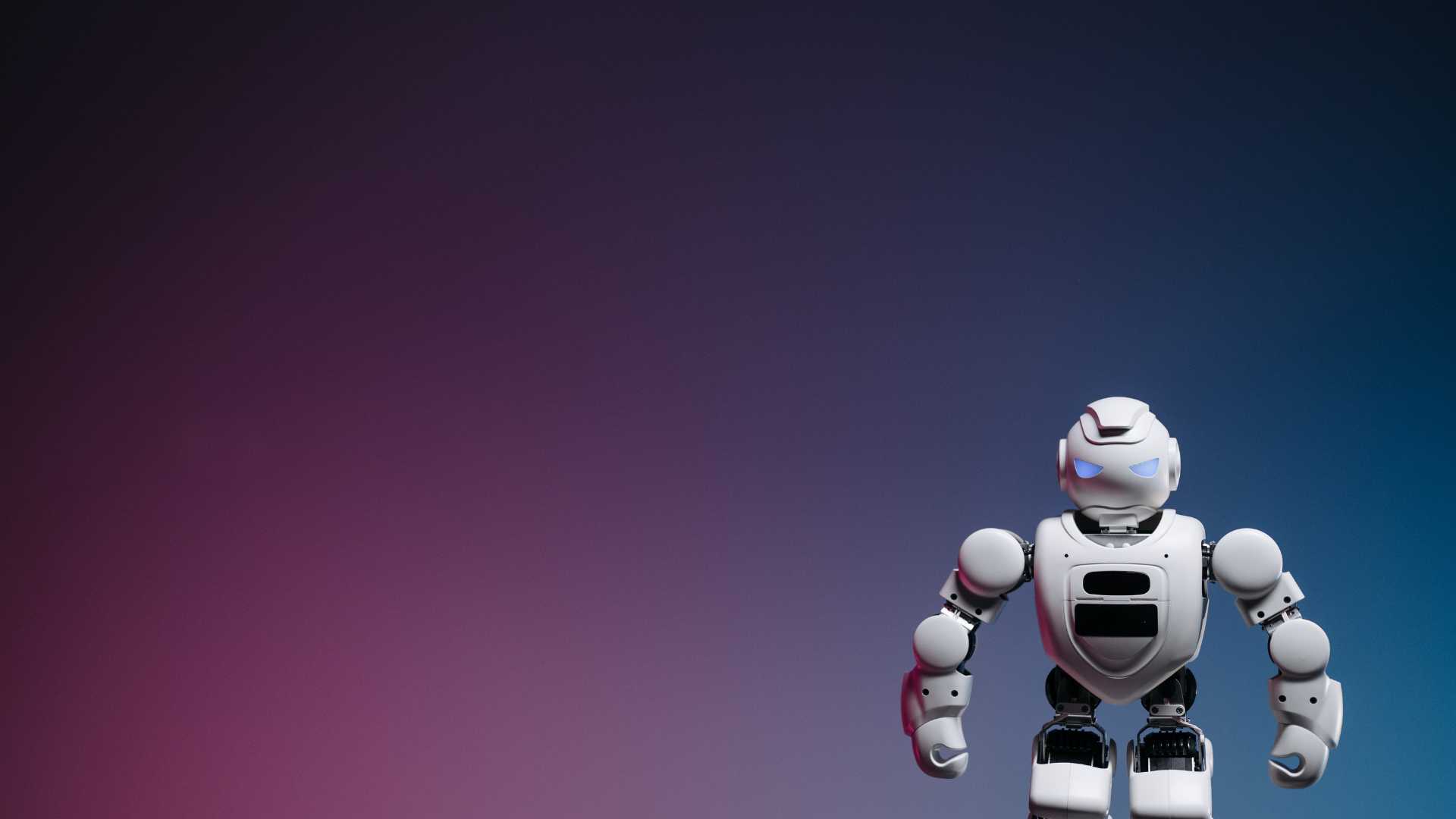
We predict the overuse of AI-generated pics and videos will lead to an amount of pushback against “AI slop”. This ‘lil guy might not be happy about it – but most users’ eyes and brains might be?
4. The Next Social Zeitgeist
We are due for a shake-up in where the 18-25 demographic spends their time.
- A New “AI-Social” Platform: Historically, we are due for a new platform to take over the zeitgeist. It will likely be AI-native at its core. While Meta will undoubtedly try to copy it, there’s a 25% chance their version might actually win the long-term race (as we saw with Instagram Stories vs. Snapchat). Also, as restrictions grow for younger social media users (i.e. similar to Australia’s social media ban for under-1 6s), we predict the rise of workarounds either in new forms of app or other methods for teens to stay connected via social media-like apps.
- Social Bidding Evolution: TikTok and Instagram are turning into fully-fledged search engines. We expect to see more sophisticated, keyword-based bidding within these apps, rivaling traditional Google Search for certain industries.
- We see Facebook offering some kind of an algorithm opt-out or customisation tool. We are already seeing this pushed by the EU as they seek to limit social media firms’ algorithms influence. Also, Meta has already rolled out a tool to let users customise their algorithm for Instagram.
5. Influencers’ Own Channels
To build and maintain genuine connections with their audiences, social media influencers will move away from focusing on posting images and reels into the feed, and more into their inbox. By this, we mean using the new broadcast channels and community features in the platforms to be able to directly message their communities more often. This way their messaging will be seen as more authentic, and likely more impactful as communities grow around individual influencers.
6. Changes In The SEO Landscape & Return Of “Black Hat”
- The Death Of Rank Tracking – position and rank will fall by the wayside with brand visibility and tracking of brand mentions or phrases by intent as well as physical actions such as click to your site will be the metrics to track. Success will rely less on vanity metrics and more on hard conversions.
- Bot-to-Bot Communication & The “Helpful Content” Paradox – helpful content that solves a problem will still be produced to inform users following E.E.A.T best practice. This will however be more beneficial for bots in the compiling of query responses and we see it eventually leading to bots communicating with each other to problem solve and provide users a quick and easy solution. This will further reduce clicks and users will rely less and less on being directed to website blue links in search results.
- As AI tools become more accessible for SEO use, some will try to game the system. Quality vs. Shortcuts: We predict a “tug of war” between black-hat AI-SEOs and the platforms trying to guard output quality. This will likely lead to “boom and bust” patterns for sites that prioritise short-term visibility at the cost of long-term credibility.

With the advent of AEO we see black hat cowboys making a return to the organic search market. Careful out there, partners!
Wrapping Up: Adapt and use new tools – but keep your eyes open.
These predictions paint a clear picture: AI has provided a range of new targeting, analysis and creative tools, and some of them are great. But not all.
We recommend being proactive in adopting and using the tools that you see as most relevant to your marketing efforts this year. However, “keep your eyes open” – Don’t switch off your brain and assume everything you’re getting from your AI-based tools is 100% accurate, or that it doesn’t require some kind of testing before adopting across your campaigns.
Crucially, keep in mind the value of human-created content and personalisation of your brand – this is likely to become ever more valuable as AI dominates so much of the online space.
Ready to get ahead of the curve? Contact the team at Conversion Marketing to chat about your 2026 strategy.