
Since the first clickable banner went live online in 1994 the world of digital marketing has continued to change and evolve. In recent years artificial intelligence (AI) has emerged as a game-changing tool to help businesses connect with customers. As a result, we are operating in an age where almost every platform, campaign and ad type has some form of AI audience targeting baked in.
At the core of this AI revolution is data, and lots of it, however not all data is made equal. In this blog, we are aiming to demystify artificial intelligence and explain the role that good quality data plays in the effectiveness of your AI-fueled marketing strategies.
What Is ‘Good’ Data?

Good data is critical for the success of any AI-driven marketing strategy, but how do you identify whether you have good or bad data? In general good data needs to be accurate, relevant, complete and consistent (we’ve included some examples of each below).
Accuracy:
To set your business up for success with AI-fueled campaigns your data needs to be accurate. That means that it is information that has been verified and/or validated to ensure it reflects real-world results. For example, if you are a leads-based business, it is the difference between using data that reflects every lead that comes through vs using data that reflects the leads that turn into customers. While both are datasets you could use, only one of them reflects information on actual customers and is therefore more accurate data for AI to learn from.
Relevance:
Relevant data is specific to the goals and objectives of your marketing campaign. This means that the dataset aligns and is relevant to the target audience and/or the products or services being promoted. For example, you can group customers who bought similar products together. By doing so, you can employ AI-powered targeting techniques to tailor your messages for each segment. This approach ensures that you’re delivering personalised content to different groups of customers based on their preferences, rather than using a one-size-fits-all strategy for your entire customer base.
Completeness
Good data is complete and comprehensive, this means it includes all critical information needed for analysis. In the case of AI-targeting, incomplete data such as missing customer details or transaction details can skew the insights your data provides, leading to inaccurate targeting by your AI-driven campaign or strategy.
Consistency
Consistent data is data that is uniform across all formats and units of measurement. Inconsistencies can result in confusion for your AI algorithm and make it challenging to accurately identify patterns and trends. For example, if you were to change CRM systems and were previously recording sales data in NZD and the new platform defaults to USD, your data sets will be inconsistent and could indicate that one group of users was spending more than the other, despite this not being the case.
What Impact Does Data Quality Have On Results?
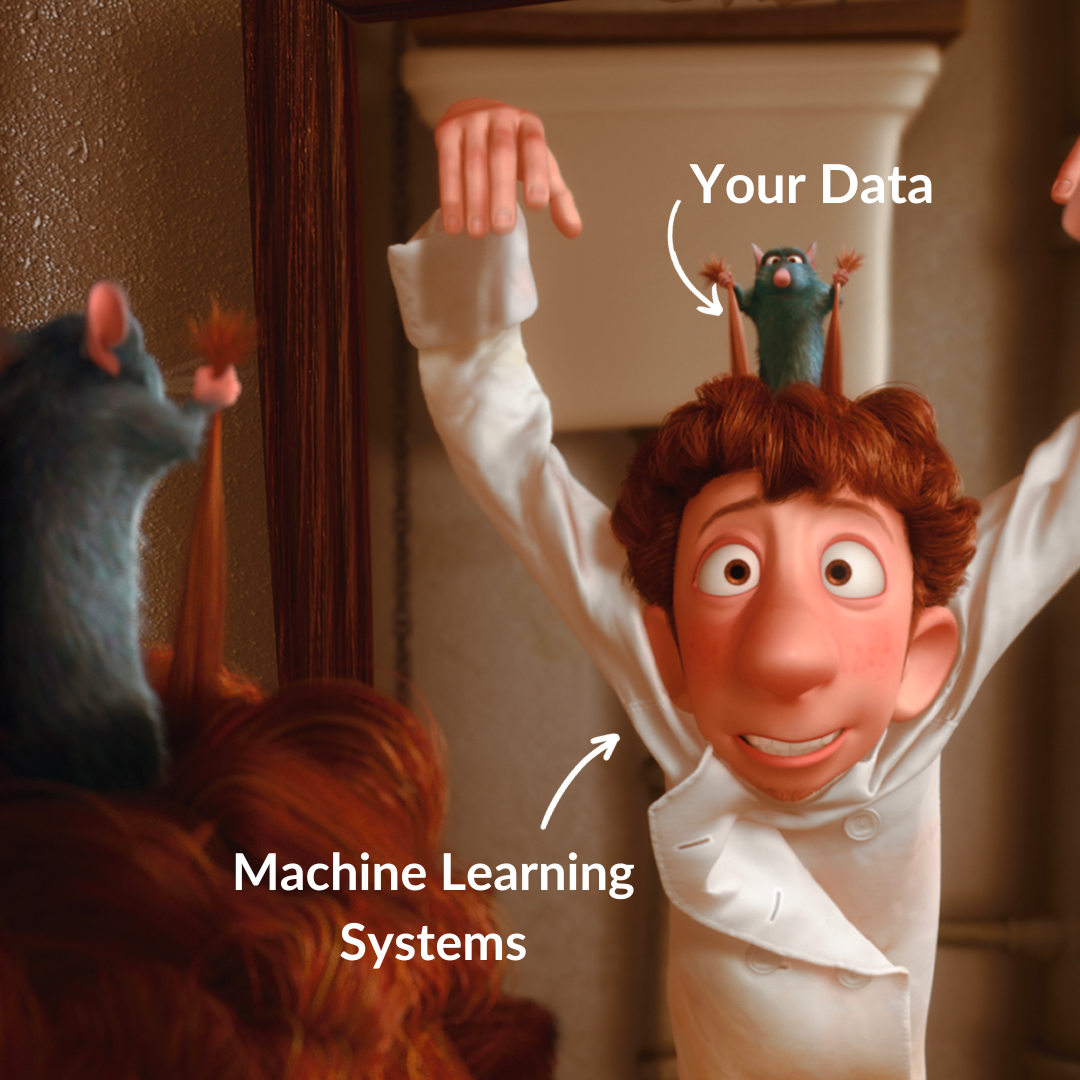
Imagine machine learning/AI-driven systems to be like training as a chef. Initially, your chef may learn recipes from a cookbook (your initial data). As the chef cooks more and receives feedback (data) they are able to adjust and refine the recipes.
Just as a chef refines their recipes based on experience and feedback, machine learning models improve by analysing data and adjusting their predictions or actions. Now imagine your chef is given wrong or inaccurate feedback along the way, the dish may taste bad, look unappealing or even make people sick. While inaccurate data may not make you sick it can cause a multitude of issues for your AI-driven strategies. We’ve laid out some of the key ones below:
Precision/Accuracy
High-quality data ensures that the information used to train your algorithms is accurate and precise. When your data collection is reliable the algorithm is able to make accurate predictions about user behaviour which leads to more accurate targeting. In real terms, this means your ads are going to be shown to the right audience, at the right time in order to enhance the likelihood of conversions.
Effective Segmentation
Clear and accurate data helps you divide your audience into smaller groups. By using specific details like age or what people buy, your AI systems can find patterns in each group. This lets the AI focus on each group based on what suits them best, instead of just focusing on what most people like.
Reduced Resource Wastage
By having accurate tracking and segmentation, you are able to ensure your ads are shown to users who are likely to be interested in the product/service you offer. When this targeting is accurate you are able to reduce the amount of resources used to display ads to irrelevant audiences, leading to a higher return on investment.
How To Improve Data Quality
So now that we’ve defined ‘good’ data and explained its importance, let’s dive into some of our top tips on how you can improve your own data.
Define A Goal
It may seem self-explanatory but knowing what you want to achieve with your data is fundamental. Establishing what you are going to use your data for and ensuring you are capturing all of the information you will need to do so is the perfect guide to get you started, without asking for too much info from your customers. For example, if you are an ECommerce business you will want to ensure you are capturing purchase value, allowing you to feed this into your algorithm to help it identify who are your highest value customers.
Organise & Store Your Data Effectively
Proper organisation and storage of data is essential for effective segmentation and utilisation.
We recommend doing some research and finding the right CRM systems and data analytics tools for your company. This will help you to store and organise your data in an efficient manner to ensure accuracy, consistency and ability. Well-organised data will allow your business to create targeted segments and many of these CRM systems will integrate natively with most of the big digital marketing platforms (Google Ads, Meta Ads etc). Additionally, we recommend you consider data security and compliance with regulations to maintain customer trust and data integrity, safeguarding both your brand reputation and customer relationships.
Prequalify Your Data Early
Implementing security measures like CAPTCHA and prequalifying questions in your data collection process can help you filter our inaccurate, irrelevant and even spam leads. By verifying this input in real-time you can reduce the chance of incorrect or spammy data polluting your database, thus reducing the risk of your AI-powered targeting going after the wrong leads.
In digital marketing, not all sales occur online, some customers see ads online but buy in-store, or they might submit an enquiry online but convert offline. In these cases implementing offline conversion tracking mechanisms (e.g. unique codes, customer identifiers) can help you bridge the gap between their online interactions and their offline behaviour. Accurate tracking will give you a full view of your campaign’s impact and help you refine your data for better results.
Data quality can be a confusing and nebulous world but with incremental improvements and best practices, it isn’t insurmountable. As AI-powered targeting continues to take hold it is more important than ever to refine your data collection and stay ahead of the curve.
If you need any help with collecting, storing, refining or using your first-party data, don’t hesitate to contact us – we’re here to support you every step of the way!